Turn-taking, patience, reading other people’s feelings — these are the behavioral development activities that make a kid pleasant to be around, which is its own kind of development.
Any Board Game With Turns
Ages 4–10 · 15–30 min · Turn-taking, losing gracefully
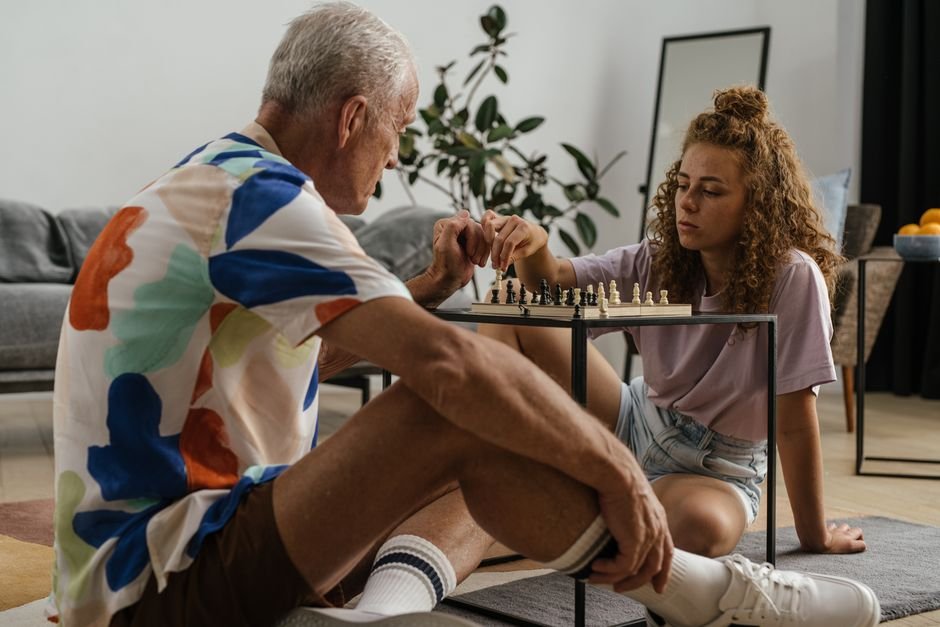
Doesn’t matter which game — the real lesson is waiting your turn and, eventually, losing without a meltdown. Let them lose sometimes; always letting them win teaches the wrong thing.
Why it works: This is one of the harder social skills to practice anywhere else — most of daily life doesn’t force you to wait your turn the way a board game does.
“Helper” Jobs
Ages 2–6 · 5–10 min · Following instructions, responsibility
Give them one real, simple job — setting napkins on the table, carrying the (unbreakable) dishes to the sink — instead of a pretend one. Kids this age can tell the difference, and a real job means more to them.
Why it works: Following a multi-step instruction (“get the napkins, one for each person, put them by the plates”) is real cognitive work dressed up as helping — exactly the kind of everyday behavioral development activity that builds patience and responsibility.
For the harder stuff — meltdowns, tantrums, big emotions — see Big Feelings over in Grandparent Guides, which goes deeper on that specifically.
Want more? See Learning for physical, cognitive, and education-focused activities too. For more on how these skills develop over time, Zero to Three’s guide to social-emotional development is a great resource.